Source Engine Cap Parts for Medical, Vehicle, and Industrial Use
Find and compare 30 engine cap products tailored for medical, vehicle, and industrial applications. Evaluate options made from brass, aluminum, and steel, featuring NBR rubber seals and customizable logos to meet specific OEM requirements.
Key considerations
Products List


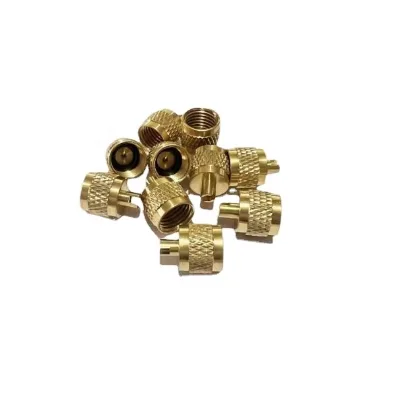
$0.80 - $1.00
Moq: 100


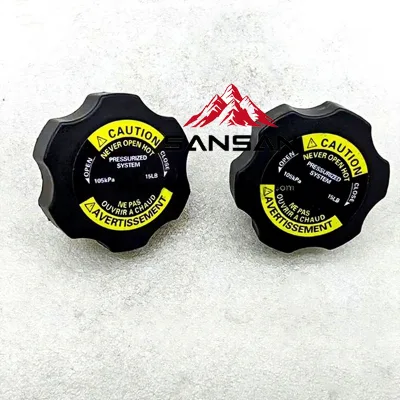


Comprehensive Sourcing Guide
Engine Cap Sourcing Guide
The engine cap serves as a critical interface component in various mechanical assemblies, ranging from automotive cooling systems to industrial machinery and agricultural equipment. In the context of the observed market data, these components are frequently associated with engine blocks, radiators, and check valve bonnets, where they function to seal fluid pathways and maintain system pressure. Buyers must recognize that while the core keyword suggests a singular part, the actual product landscape includes diverse variations such as piston caps, radiator components, and specialized valve bonnets, each requiring distinct material and structural verification to ensure compatibility with the specific engine architecture.
Procurement strategies for engine caps must account for the wide range of customization options and material compositions available in the current supply chain. The observed listings indicate that suppliers offer significant flexibility in customization, including logo printing, specific dimensions, and material selection ranging from steel and aluminum to brass and rubber compounds like NBR. This variability means that a generic search for "engine cap" often yields results for entirely different functional parts, necessitating a rigorous initial filtering process to isolate components that match the exact technical requirements of the intended application, whether it be for medical devices, household appliances, or heavy industrial vehicles.
Product Scope and Observed Listing Signals
When analyzing product listings, buyers will encounter a broad spectrum of items that share the "engine cap" nomenclature but serve vastly different functions. The data reveals products labeled as "Check valve bonnet" with brass bodies and welded connections, alongside components identified as "Radiator" parts with aluminum bodies and tube-fin cores. This semantic overlap requires the buyer to scrutinize the specific product model numbers, such as S195 or S1110, and the stated structure types, like "Sealed Type" or "Piston," to distinguish between a simple sealing cap and a complex assembly component. Misidentifying these items can lead to procurement errors where a radiator core is purchased instead of a sealing cap, or vice versa.
The physical attributes of the listed products further complicate the scope, with observed variations in hardness, color, and packing methods. Some items are described with a hardness of 70±5 and a black color, utilizing NBR rubber, while others are grey, made of steel, or feature specific dimensions like 20mm/28mm/32mm. These physical characteristics are not merely aesthetic but indicate the intended operating environment; for instance, a hard, black NBR component may be suited for high-friction sealing applications, whereas a grey steel part might be designed for structural support or high-temperature resistance. Buyers must align these observed attributes with their specific engineering drawings to ensure the selected cap can withstand the mechanical and thermal stresses of the target engine system.
Technical Specifications to Verify
Material composition is the primary technical specification that dictates the performance and longevity of an engine cap. The market offers options in steel, aluminum, brass, and rubber compounds, each presenting unique trade-offs regarding corrosion resistance, thermal conductivity, and mechanical strength. For applications involving high temperatures or corrosive fluids, such as those using alcohol as a cooling fluid, the selection of an aluminum or brass body is often critical, whereas steel may be preferred for structural integrity in lower-temperature environments. Buyers must verify the exact material grade and composition against the engine's operating conditions to prevent premature failure due to material incompatibility.
Dimensional accuracy and structural design are equally vital, as the fitment of an engine cap is often non-negotiable for system integrity. The observed listings include specific model numbers and dimension ranges, such as 13mm-32mm or specific piston types, which must be matched precisely to the engine block or valve assembly. Additionally, the connection method, whether welded or threaded, and the structure type, such as "Sealed Type" or "Check," must be confirmed to ensure a leak-proof interface. Buyers should request detailed engineering drawings or CAD files to validate that the cap's geometry, including flange thickness and sealing surface profiles, aligns with the manufacturer's specifications before placing an order.
Compliance and Safety Documentation
Safety and compliance in the engine cap sector are often tied to the broader certification of the engine system or the specific industry standards governing the application. While some listings mention certifications like CCC and ISO, these are frequently associated with the entire component assembly or the manufacturing facility rather than the cap itself. Buyers must verify whether the specific engine cap model carries independent certification for pressure ratings, material safety, or environmental compliance, particularly if the component is used in medical, automotive, or industrial applications where regulatory oversight is strict. Relying solely on general facility certifications without verifying component-specific compliance can expose the buyer to liability in the event of a system failure.
Documentation regarding the manufacturing process and quality control standards is essential for validating the reliability of the engine cap. The observed data indicates that products are manufactured using techniques such as molding, casting, and specific technics, which directly influence the final product's density and structural integrity. Buyers should request test reports that confirm the hardness, flexibility, and sealing performance of the cap under simulated operating conditions. Furthermore, if the product is intended for export, documentation proving adherence to international standards for material safety and environmental impact, such as RoHS or REACH, should be obtained to ensure the component meets the regulatory requirements of the destination market.
Cost Drivers and Commercial Terms
The cost of an engine cap is heavily influenced by the complexity of the material and the degree of customization required. Products featuring specialized materials like brass or aluminum, or those requiring custom logo printing and specific dimensional tolerances, will command higher prices than standard off-the-shelf steel or rubber components. The observed price range of 0.02 to 600 USD reflects this disparity, with lower costs associated with simple, high-volume items and higher costs linked to precision-engineered, low-volume, or highly customized parts. Buyers must balance the need for specific performance attributes against the budget constraints, understanding that significant deviations from standard specifications will inevitably increase the unit cost.
Commercial terms, including Minimum Order Quantity (MOQ) and packaging requirements, play a significant role in the total cost of ownership. The market data shows an MOQ range from 1 to 10,000 units, indicating that suppliers are willing to accommodate both prototype runs and large-scale production, but at different price points. Packaging methods vary from simple PE bags to complex wooden pallets and anti-tarnish paper, which can impact shipping costs and the risk of damage during transit. Buyers should negotiate packaging solutions that protect the component's integrity without incurring unnecessary freight expenses, and clarify whether the quoted price includes all necessary certifications and documentation to avoid hidden costs later in the supply chain.
Supplier Qualification and Quality Control
Supplier qualification for engine caps requires a thorough assessment of their manufacturing capabilities and quality assurance protocols. The observed listings indicate that suppliers are located in regions like Zhejiang, China, and offer various production techniques including molding and casting. Buyers should verify the supplier's capacity to maintain consistent quality across batches, particularly for custom orders where the "Customization" attribute is utilized. This involves auditing the supplier's production lines to ensure they have the necessary equipment to handle specific materials like NBR rubber or aluminum and to execute precise molding or casting processes that meet the required hardness and dimensional tolerances.
Quality control measures must be explicitly defined and agreed upon before production begins to mitigate the risk of receiving non-conforming goods. Given the critical nature of engine caps in sealing and pressure management, buyers should insist on a comprehensive inspection plan that includes material verification, dimensional checks, and functional testing. The observed data mentions standards like "By The Customer Needs," which suggests that suppliers are flexible but require clear input from the buyer to define these standards. Establishing a clear protocol for pre-shipment inspections, including third-party verification if necessary, ensures that the final product meets the specified requirements for hardness, color, and structural integrity before it leaves the factory.
Long-Term Procurement Checks
Establishing a long-term procurement relationship for engine caps involves regular performance monitoring and supply chain resilience planning. Buyers should implement a system for tracking the performance of the caps in the field, noting any instances of leakage, corrosion, or mechanical failure, and correlating these issues with specific production batches or suppliers. This feedback loop is essential for identifying trends that may indicate a degradation in quality or a need for design adjustments. By maintaining detailed records of product performance, buyers can make data-driven decisions regarding supplier retention, contract renewals, or the need to source alternative materials for future iterations.
Supply chain continuity is another critical factor for long-term success, as engine caps are often essential components that cannot be easily substituted without re-engineering the entire system. Buyers should assess the supplier's ability to scale production in response to demand fluctuations and their capacity to manage lead times effectively. The observed data shows a wide range of lead times and packing methods, which can impact the ability to respond to urgent production needs. Developing a diversified supplier base and maintaining safety stock levels can help mitigate the risks associated with supply disruptions, ensuring that the procurement of engine caps remains a stable and reliable part of the overall manufacturing process.
FAQs
What materials are commonly used for engine caps?
Engine caps are typically manufactured from durable materials such as steel, aluminum, or brass to withstand high pressure and temperature. Some components may also utilize NBR rubber for sealing properties. The choice of material depends on the specific application requirements, including whether the part is for general industrial use or specialized medical equipment. Buyers should verify the body material and standard specifications to ensure compatibility with their system.
Can engine caps be customized for specific applications?
Yes, customization is available for engine caps to meet unique operational needs. Manufacturers often support OEM services, allowing for customized logos, specific hardness ratings like 70±5, and tailored dimensions. Products can be molded or cast to fit various structures, including check valve bonnets or radiator components. Buyers should specify their requirements for color, packing, and standard compliance to ensure the final product aligns with their technical specifications.
What certifications are required for engine cap suppliers?
Reputable suppliers often hold certifications such as CE, ISO, CCC, and ISOTSCold to ensure quality and safety standards. These certifications verify that the manufacturing processes and final products meet international regulatory requirements. Buyers should request valid certification documents to confirm compliance, especially for components used in medical, electronic, or vehicle applications. Verifying these credentials helps mitigate sourcing risks and ensures the supplier adheres to established industry standards.
How are engine caps typically packaged for shipping?
Packaging methods vary based on the product type and shipping requirements. Common options include PE bags, cartons, wooden pallets, and anti-tarnish paper for protection. Some items may be shipped via ocean freight with specific packing standards like 80*70*60cm dimensions. Buyers should confirm the packing details with the supplier to ensure the components arrive undamaged and meet any specific logistical or storage requirements for their facility.
What is the typical MOQ for engine cap orders?
The minimum order quantity (MOQ) for engine caps generally ranges from 1 to 10,000 units, depending on the supplier and product complexity. Customized items may have higher MOQs due to setup costs, while standard components might allow for smaller trial orders. Buyers should negotiate MOQ terms based on their volume needs and lead time expectations. Clear communication regarding quantity thresholds helps in planning inventory and managing procurement budgets effectively.
Which specifications should be checked when sourcing engine caps?
Key specifications include the product model, standard dimensions, and material composition. Common models may include S195 or S1110, with standards ranging from 13mm to 32mm or specific weight limits like 40kg. Buyers must verify the structure type, such as sealed or check valve designs, and ensure the cooling fluid type, like alcohol, is compatible. Accurate specification matching prevents installation issues and ensures optimal performance in the intended application.